


Welcome the ByCitrus Complete Seed Collection!
Ready to start your best garden ever? Our seed page is the perfect place to begin your planting journey. We offer a curated collection of high-quality seeds for every type of gardener. You will find exactly what you need here.
Start Your Dream Garden Today
ByCitrus participates in affiliate marketing programs and may earn commissions from purchases made through links on this site.
Seed Finder

The Lavender Vera plant, scientifically known as Lavandula angustifolia, is a perennial herb renowned for its aromatic qualities and vibrant purple flowers. This plant is native to the Mediterranean region and has been cultivated for centuries due to its numerous benefits and applications in gardening, aromatherapy, and culinary arts.

The Yellow Prairie Coneflower (Ratibida columnifera), also called Mexican Hat, is the pure yellow form of the native Prairie Coneflower. Grows 15″-24″ tall on slender stems with yellow petals that skirt a tall upright cone. This drought-tolerant droopy petaled daisy loves the heat. A cheerful mid-summer pick-me-up that blooms into fall.

The Daisy, specifically the rudbeckia hirta, is a perennial plant that is widely appreciated for its vibrant yellow flowers and its ability to thrive in various garden conditions. This species, commonly known as the Black-eyed Susan, belongs to the Asteraceae family and is native to North America.

The Spotted Bee Balm plant produces a beautiful plant with purple spotted flowers known to attract bees and other beneficial garden pollinators
Common names: bee balm, horsemint, and wild bergamot
Smell is similar to Thyme
Has been used in teas and for other medicinal purposes. This plant is drought tolerant. Grows well in dry conditions, requiring little water to grow.

The Columbine McKana’s plant, scientifically known as Aquilegia caerulea, is a perennial flowering plant that belongs to the Ranunculaceae family. This plant is renowned for its distinctive, bell-shaped flowers that come in a variety of colors, including blue, purple, and white. The Columbine McKana’s is particularly valued in garden settings for its ornamental appeal and ability to attract pollinators such as bees and hummingbirds.

Genovese Basil, also called Sweet Basil, has large, tender, fragrant leaves and sweet, spicy anise flavor. The best basil for pesto. The flower spikes dotted with tiny white edible flowers make a delicate garnish or salad addition. This heat-loving herb is a reliable producer and all-around great Italian basil.

Lettuce Seeds | Lettuce can be grown practically anywhere. For leaf types seed should be sown thinly in rows 1 foot apart. For head, Bibb, and cos types, space rows 18 inches apart. The ‘All Year Round’ lettuce is a classic Butterhead lettuce, with medium sized loosely formed heads and soft, buttery-textured green leaves.

The Noble Giant Spinach is heavy, glossy, dark green plant with leaves that are heavily savoyed and crumpled. Extremely delicious and one of the most popular spinach varieties you can grow in your garden. Very easy to grow.

- Spearmint ( Mentha spicata) is typically used in teas, jellies, deserts, and salads
- Extremely fragrant
- Sweet smelling
- Acts as a natural wasp repellant
- Perennial
- Can be used as a garnish on ice cream and drinks

Cilantro is the most popular leafy aromatic herb with a tangy citrusy-parsley-like flavor, used in Latin and Asian cuisines. Coriander is the dried seed, whole or powdered, with an earthy, floral flavor used as a spice in Indian cuisine. Grow it just for the seeds or the tiny pinkish flowers, which are quite sweet. Cilantro prefers cool weather, and this slow-bolt variety will tolerate a bit more heat, putting out more leaves for a longer time before it starts bolting out tasty flowers and Coriander seeds.

Thyme spreads to form attractive 8 to 12 inch high mounds. Aromatic and flavorful leaves. Used to flavor meats, dressings, soups, and stews. Before the advent of modern antibiotics, Thyme was used to medicate bandages. It has also been shown to be effective against the fungus that commonly infects toenails. It can also be found as the active ingredient in all-natural, alcohol-free hand sanitizers.

Oregano is a hardy plant with pungent, oval leaves and purplish pink flowers. Use fresh or dried in sauces and soups. Hippocrates used oregano as an antiseptic, as well as a cure for stomach and respiratory ailments. It is still used today in Greece as a palliative for sore throat. Oregano is also high in antioxidant activity, due to a high content of phenolic acids and flavonoids.

Parsley is a commonly grown culinary and medicinal herb that is often used as a domestic medicine. The fresh leaves are highly nutritious and can be considered a natural vitamin and mineral supplement in their own right. The plants prime use is as a diuretic where it is effective in ridding the body of stones and in treating jaundice, dropsy, cystitis etc. It is also a good detoxifier, helping the body to get rid of toxins via the urine and therefore helping in the treatment of a wide range of diseases such as rheumatism

On any productive homestead, every member needs to pull its weight, and the Homestead Tomato out-tomatoes every tomato. Sun up to sun down, in high heat and humidity, this workhorse churns out large, red, smooth, sturdy, meaty, juicy slicers. As comfortable in the overalls of a sandwich as it is done up in its Sunday best for the canner. Just a good ol’ heirloom with good old-fashioned tomato flavor.
Good companion plants: Basil, Borage, Onion, Parsley, Pepper

Chives | Chives are grown best in cooler weather, are cold hardy and usually are planted early in the spring. Sow your chive seeds directly into the soil as soon as it is workable and at least 60°F.

Yarrow has a high reputation and is widely employed in herbal medicine, administered both internally and externally. It is used in the treatment of a very wide range of disorders but is particularly valuable for treating wounds, stopping the flow of blood, treating colds, fevers, kidney diseases, menstrual pain etc.

Sage is an aromatic perennial plant that is actually part of the mint family. The plant produces grayish-green leaves that are used in many popular food dishes, most notably in the preparation of sausages

Sunflowers are truly iconic plants. They are famous for their tall stems. Each stem is topped with a large, bright flower. They grow in a wide range of sizes. Some are short, and some are very tall. Their heads are made of thousands of tiny flowers. These small flowers become the seeds we love. Sunflowers are special for another reason. They turn their heads to follow the sun. This movement helps them get the most sunlight. When they mature, they stop moving. Their flower heads then face east.

The Orange King Zinnia (Zinnia elegans) is a tender annual with a long 3-month blooming period. Produces huge 4″-5″ double blossoms with small, oval mandarin-orange petals around a dark center. Grows 2′-3′ tall on sturdy stems with lance-shaped foliage. Zingy as a long-lasting cut flower in a bouquet or vase.

Marigolds are cheerful, sun-loving annuals known for their vibrant, ruffled blooms and aromatic foliage. They are one of the most popular garden flowers due to their long blooming season, ease of care, and rich cultural symbolism. Marigolds, also culturally known as cempasúchil (from the Nahuatl word for “twenty flowers”), are the most iconic symbol of Día de los Muertos, or Day of the Dead. The flower decorates arches, graves, and altars as a sign of respect and to welcome the departed back to the world of the living for the annual celebration.

Orange sulphur cosmos, also known as Cosmos Sulphureus, are vibrant and easy-to-grow flowers that can add a pop of color to any garden. If you’re looking to brighten up your outdoor space with these stunning blooms, here’s everything you need to know about growing orange sulphur cosmos in your garden. Orange sulphur cosmos are annual flowers that belong to the Asteraceae family. They are native to Mexico and Central America but are now popular in gardens around the world. These flowers are known for their bright orange blooms that attract butterflies and other pollinators.

Snapdragons, scientifically known as Antirrhinum majus, are a beloved garden classic. They are cherished for their vibrant colors and unique, dragon-like flowers that “snap” open when gently squeezed. These charming blossoms bring life and playful beauty to any garden, balcony, or container.
Snapdragons offer an impressive array of colors, including pink, yellow, white, red, orange, and purple. Some varieties even feature bi-colored or multi-colored blooms. They come in various sizes, from compact dwarf varieties perfect for window boxes to tall, stately types reaching up to 90 cm (3 feet). Their leaves are typically narrow, oval, and bright green, though some may have decorative yellow marbling.

Rosemary (Salvia rosmarinus) is a fragrant, evergreen shrub belonging to the mint family (Lamiaceae). It is native to the Mediterranean region and is cherished for its aromatic, needle-like leaves and small, often blue or violet, flowers. The name “rosemary” itself is derived from the Latin “ros marinus,” meaning “dew of the sea,” hinting at its ability to thrive in coastal areas.

The Snake Plant, scientifically known as Dracaena trifasciata (formerly Sansevieria trifasciata), is a popular and resilient houseplant celebrated for its striking, sword-like leaves and remarkably easy care. Native to tropical West Africa, it has earned several common names, including “mother-in-law’s tongue” and “Saint George’s sword,” due to its upright, stiff foliage. Despite their hardy appearance, snake plants can produce small, greenish-white, fragrant flowers, though this is rare for plants grown indoors.
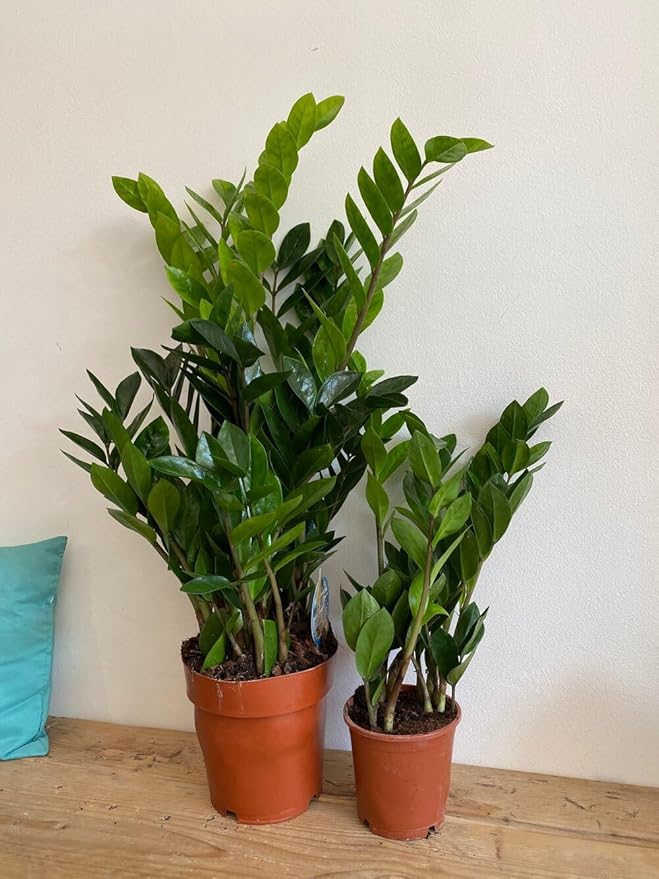
The ZZ plant, scientifically known as Zamioculcas zamiifolia, is a popular and resilient houseplant celebrated for its striking foliage and incredibly low-maintenance nature. Native to eastern Africa, it has earned common names like Zanzibar gem, eternity plant, and aroid palm due to its glossy leaves and ability to seemingly live forever with minimal care.

Calla Lily, scientifically known as Zantedeschia, are striking and elegant flowering plants often admired for their unique, trumpet-shaped blooms. Despite their common name “lily,” they are not true lilies but belong to the arum family (Araceae), which also includes plants like peace lilies and philodendrons.
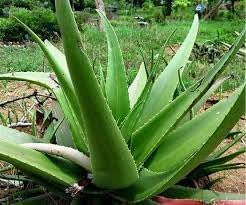
Aloe vera, scientifically known as Aloe barbadensis miller, is a succulent plant species renowned for its medicinal properties and ease of care. Native to the Arabian Peninsula, it has been used for thousands of years in traditional medicine for its soothing and healing qualities. It’s a popular houseplant due to its unique appearance and practical benefits.

The Monstera, most commonly referring to Monstera deliciosa (though there are many species in the genus Monstera), is a highly popular and iconic houseplant, cherished for its dramatic, large, and uniquely fenestrated (holey) leaves. Often called the “Swiss Cheese Plant” or “Split-Leaf Philodendron” (though it’s not a true Philodendron), it brings a lush, tropical jungle vibe to any indoor space. Native to the tropical forests of southern Mexico and Central America, it’s a vining plant that naturally climbs trees in its habitat.

The name “Philodendron” comes from the Greek words “philo” (love) and “dendron” (tree), reflecting their natural tendency to climb trees in their native habitats.
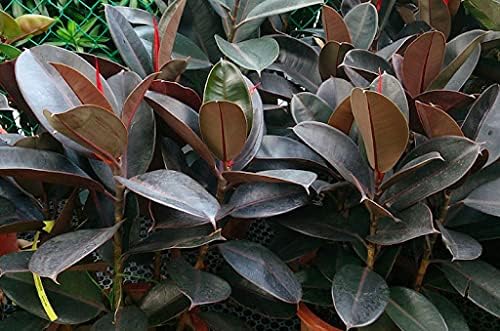
The Rubber Tree plant, scientifically known as Ficus elastica, is a popular houseplant recognized for its large, waxy, and dark green leaves. The leaves are typically oval-shaped with a pointed tip and have a prominent central vein. New leaves often emerge with a reddish hue before maturing to a deep green.
In its natural habitat in Southeast Asia, the rubber tree can grow into a massive tree, but as a houseplant, it is much smaller and can be pruned to maintain its size. It is known for its relatively low maintenance and ability to thrive in a variety of indoor conditions.

Orange Daylily – A hardy perennial that bursts with vibrant orange blooms in summer. Easy to grow and low maintenance, it’s perfect for borders, mass plantings, or adding a bold splash of color to any garden.

Peonies are long-lived perennials that bring big, fragrant blooms to your garden year after year. With their lush flowers in shades of pink, red, and white, peonies are perfect for borders, cut arrangements, or as a show-stopping focal point. Easy to grow and hardy, they’re a must-have for any flower lover.

Hydrangea – A classic flowering shrub known for its large, showy blooms in shades of blue, pink, or white. Perfect for garden borders, hedges, or cut flower arrangements, hydrangeas add lasting beauty all season long.

Dragonfruit – A striking tropical cactus that produces vibrant pink or yellow fruits with a sweet, refreshing flavor. Easy to grow in warm climates or containers, it adds an exotic touch to your garden while rewarding you with unique, edible fruits.

Meyer Lemon – A classic citrus tree that brings bright, fragrant blossoms and juicy, zesty fruit to your garden or patio. Perfect for containers or landscape planting, lemons add fresh flavor and year-round charm to any space. 🍋

Dwarf Lime – A compact citrus tree that produces tangy, flavorful fruit and fragrant blossoms. Ideal for containers or garden planting, limes bring a fresh, zesty touch to drinks, cooking, and your outdoor space.

Apple – Grow your own orchard with apple seeds! These hardy plants develop into fruit-bearing trees, offering crisp, juicy apples year after year. Perfect for gardens or backyard planting, they bring both beauty and delicious harvests.
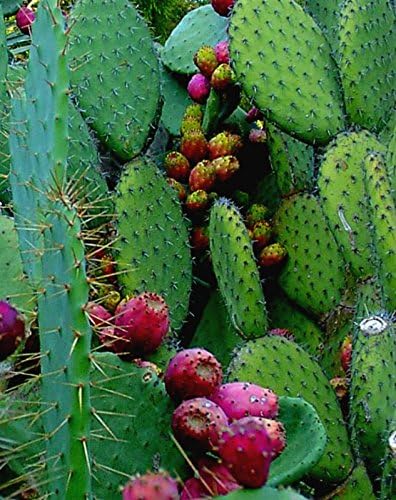
Prickly Pear Cactus – A hardy cactus with striking flat pads and vibrant edible fruit. Perfect for sunny gardens or containers, it adds a bold, architectural look while providing sweet, nutritious fruit and low-maintenance beauty.

Sedum – A tough, low-growing succulent perfect for ground cover, rock gardens, or containers. Its fleshy leaves and clusters of star-shaped flowers attract pollinators, add texture, and require minimal care, making it ideal for easy, colorful gardening

Lantana – A vibrant, flowering shrub that attracts butterflies and hummingbirds. Perfect for gardens or containers, it produces clusters of colorful blooms all season long and thrives in sunny, well-drained spots with minimal care.

Agave is a genus of succulent plants native to the arid and semi-arid regions of the Americas. They are known for their striking appearance, with a large rosette of thick, fleshy, and often spiky leaves.

Petunias are one of the most popular and widely grown flowering plants, celebrated for their vibrant, trumpet-shaped blooms and their ability to produce a continuous display of color throughout the warmer months. They are typically grown as annuals in most climates.

Impatiens are one of the most popular and reliable flowers for adding a burst of color to shady areas of a garden. They are cherished for their bright, prolific blooms and relatively easy care.

Geraniums are a diverse and popular group of flowering plants known for their vibrant clusters of blooms and often distinctive foliage. While the term “geranium” is commonly used for a variety of plants, it’s important to note the distinction between true geraniums and the more common “annual” geraniums, which are actually in the genus Pelargonium.

Creeping phlox (Phlox subulata) is a popular and hardy perennial known for its spectacular, low-growing display of flowers that creates a dense, vibrant carpet of color in the spring.

Lily of the Valley (Convallaria majalis) is a charming and highly fragrant perennial known for its elegant, bell-shaped white flowers. It is a popular garden plant, particularly for its ability to thrive in shady, woodland environments.

The Chinese Boxwood (Buxus sinica) is a versatile and popular evergreen shrub known for its dense, compact growth habit and fine-textured foliage. It is a favored choice for formal gardens and structured landscapes, valued for its ability to be easily shaped and maintained.

Taxus baccata, commonly called English Yew, is a long-lived, evergreen, conical tree that is native to Europe, Southwestern Asia and Northern Africa. It typically grows to 30 to 60 feet tall. Old trees usually develop thick trunks with scaly reddish-brown bark. Lustrous, flat-needled, two-ranked, dark green foliage (needles to 1 1/2 inches long) is attractive year round.

Coral bells (Heuchera) are a popular perennial plant cherished for their stunning, often colorful foliage that provides interest in the garden throughout the year.

Ajuga, commonly known as bugleweed or carpet bugle, is a genus of about 40-50 species of flowering plants in the mint family (Lamiaceae). It’s most frequently grown as a groundcover due to its low-growing, spreading habit and attractive foliage.